If you are a corporate executive, board member, or keynote speaker, you are likely used to command performance. You know your data inside out, your slide deck has been polished by a design team, and you’ve rehearsed your talking points until you can recite them in your sleep.
But there is a massive difference between delivering a presentation in a quiet boardroom and standing on a stage in front of hundreds of peers.
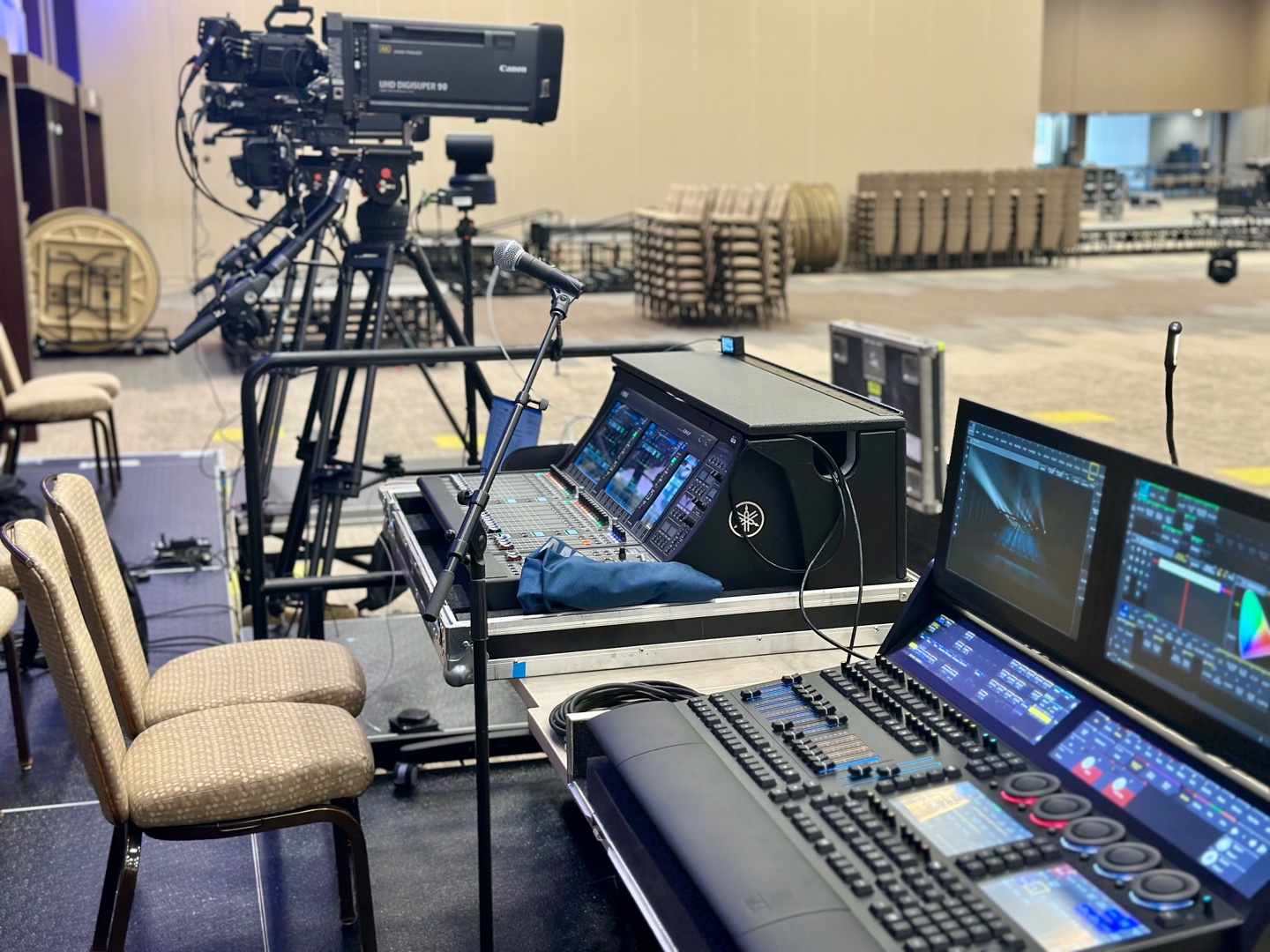
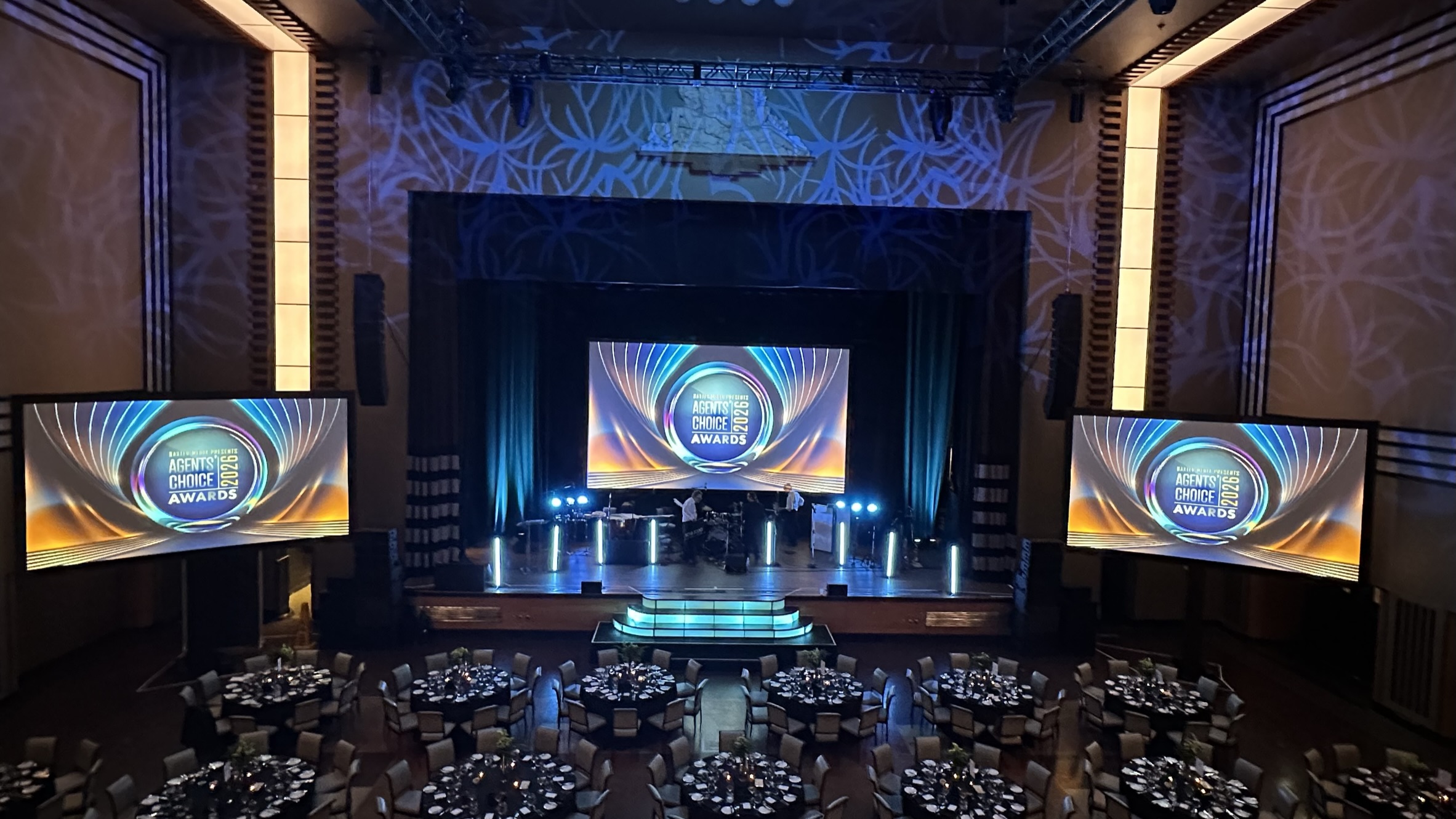
At SAVI, we manage the technical backend for high-stakes corporate AGMs, association conferences, and live events. We can deploy the most advanced audio, lighting, and visual technology in the world, but there is one variable we cannot automate: the speaker’s comfort with the room's dynamics.
The number one mistake we see brilliant executives make isn’t a lack of preparation—it’s a lack of on-stage preparation. Here is why stepping onto the stage before the doors open can make or break your performance.
.jpeg)
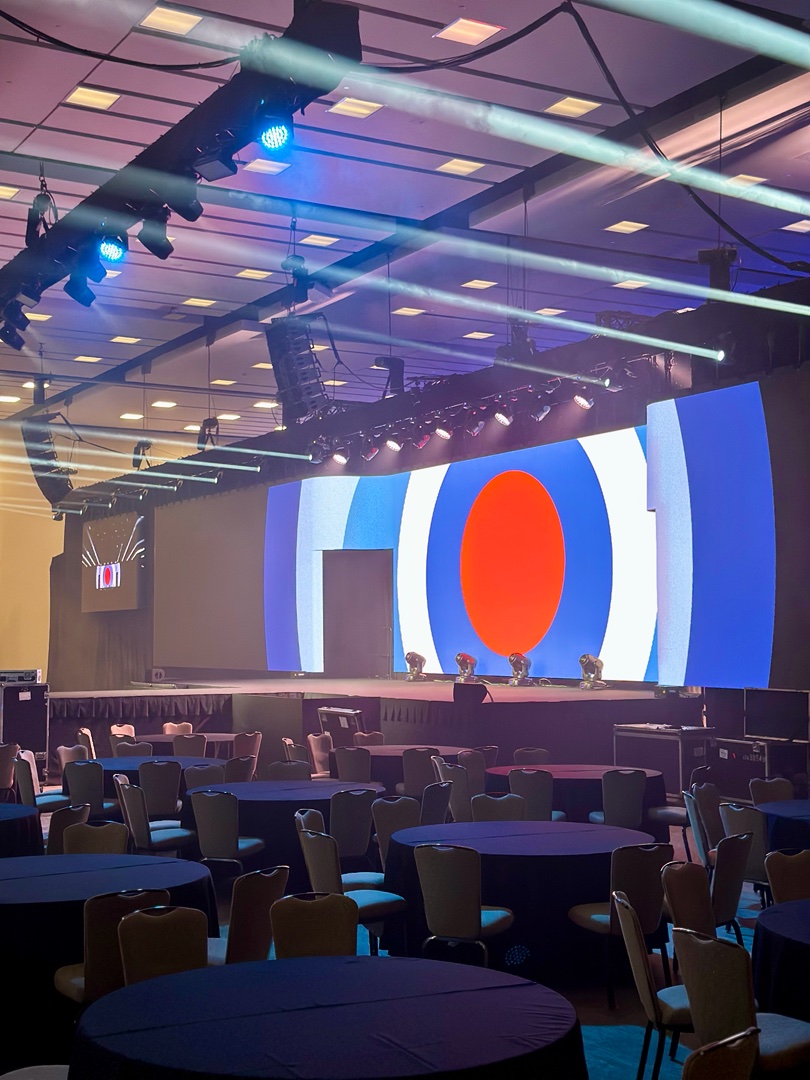
When you practice a speech in your hotel room or office, your environment is predictable. But when you step onto a professional event stage, your senses are hit with a completely different set of dynamics:
If the first time you experience these variables is when the announcer calls your name and the house lights go down, your adrenaline will spike, and your delivery will suffer.
When your event planner schedules your tech run-through or "stage walk," treat it as a priority, not an optional meeting. Here are the four things you need to test in those crucial 10 minutes:
Whether you are wearing a lavalier clip-on, a headset, or using a handheld mic, ask the audio engineer for a quick level check. Speak at your actual performance volume—not a polite whisper. If you are using a handheld mic, remember that moving your hand down to your chest completely drops the audio. Keep it a consistent two inches from your chin.
Ask the lighting technician to show you your "wash." Walk the stage from left to right. There will be a specific point where you step out of the light and into a shadow (and out of the camera's view). Find those boundaries so you know exactly where you can and cannot pace.
Look at the digital screens at the front of the stage. Can you read the font size of your notes comfortably without squinting or looking down too drastically? If you are using a teleprompter, this is your chance to coordinate the scroll speed with the operator so they match your natural cadence.
The most awkward part of any presentation is the handoff. Practice walking onto the stage, receiving the clicker or microphone, navigating the first slide transition, and walking off. Smooth transitions keep the energy of the event moving forward.
At SAVI, our business is built on agility, responsiveness, and a complete lack of corporate rigidness. We don't just set up speakers and screens; we engineer an environment where presenters feel bulletproof.
When an executive takes the time to understand the stage dynamics during a rehearsal, their confidence skyrockets. They stop fighting the technology and start leveraging it to connect with their audience.
Event professionals and planners: feel free to pass this checklist along to your C-suite and guest speakers. Let’s work together to ensure that when your VIPs step into the spotlight, they feel entirely at home.