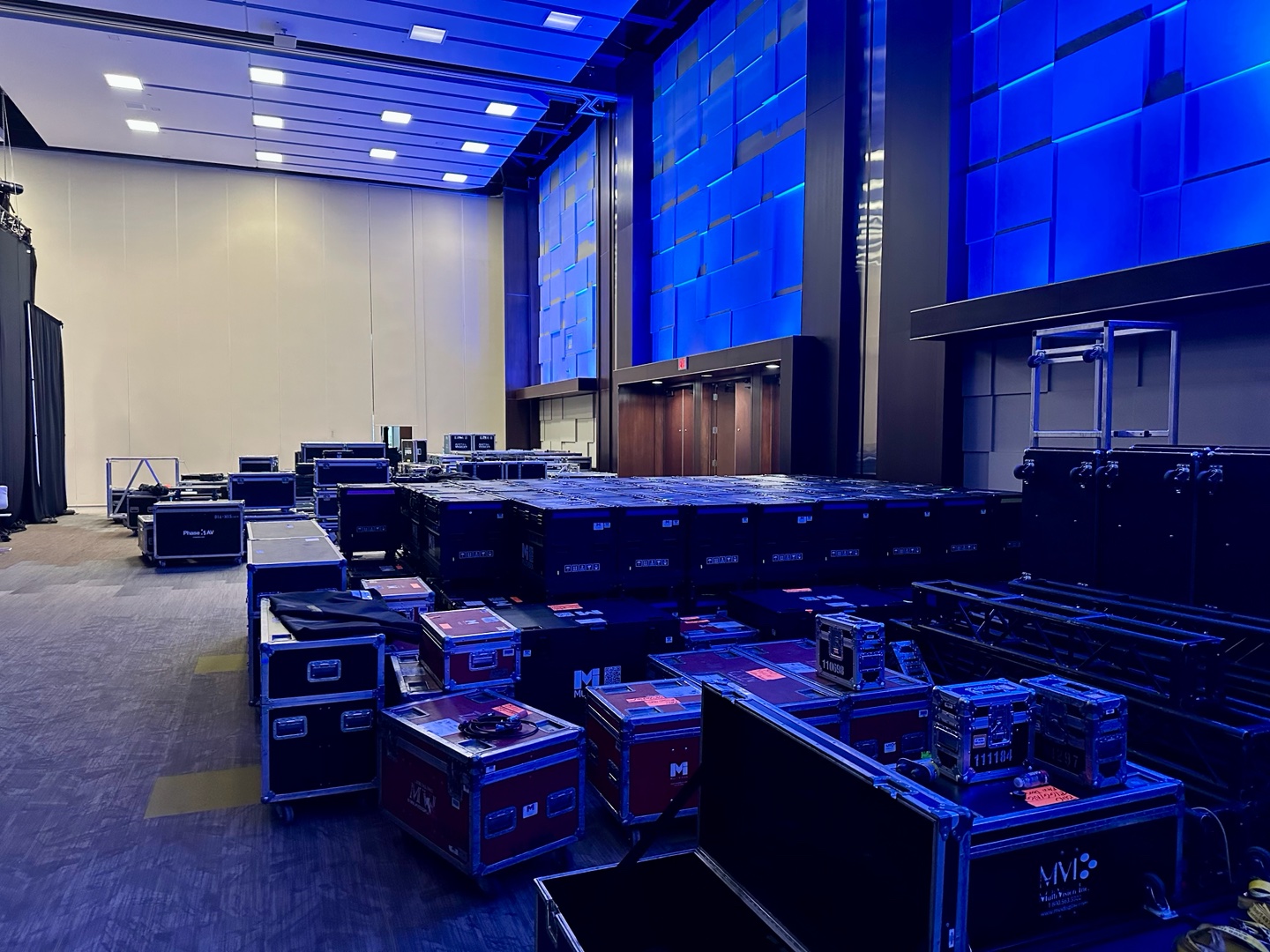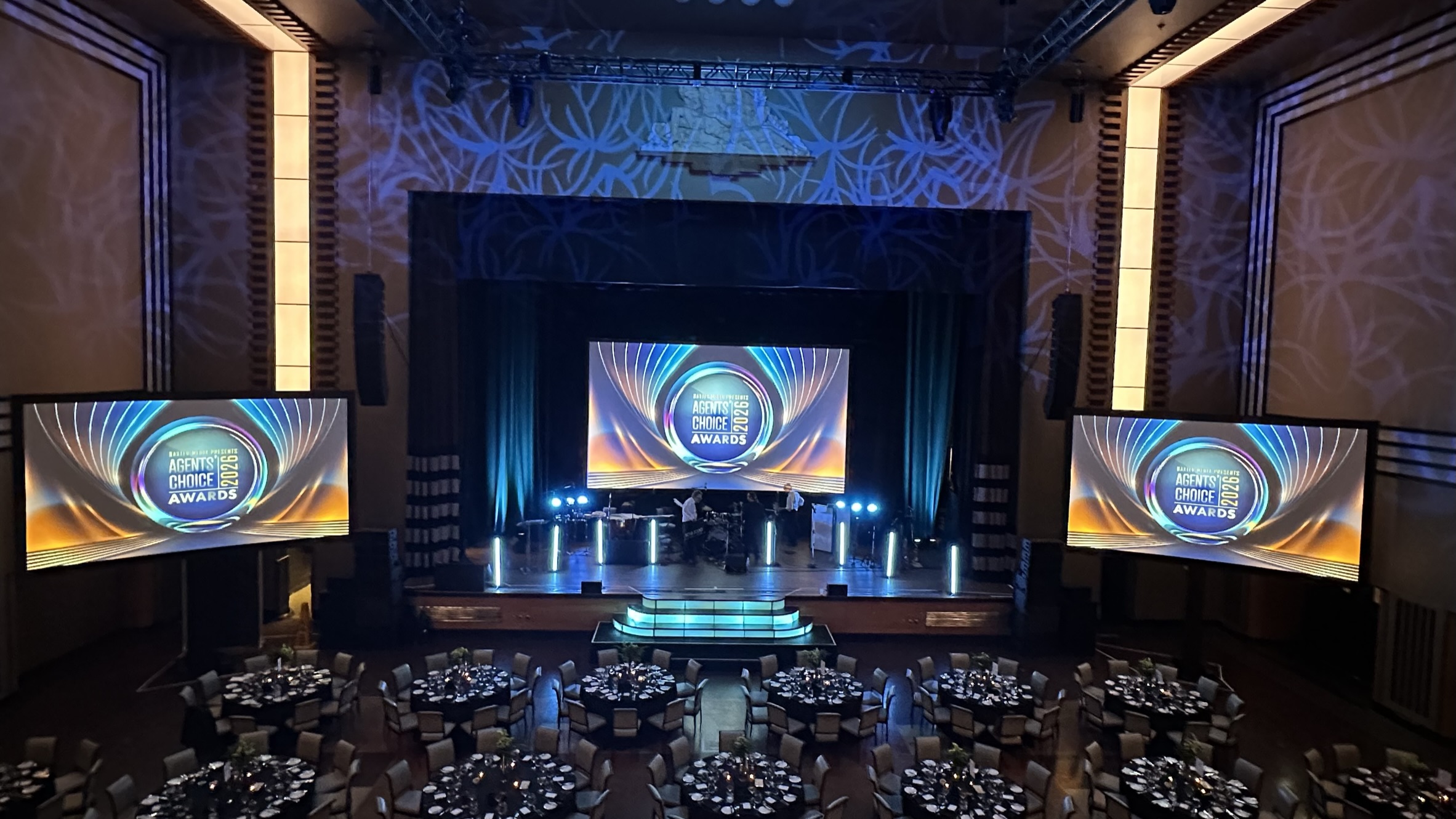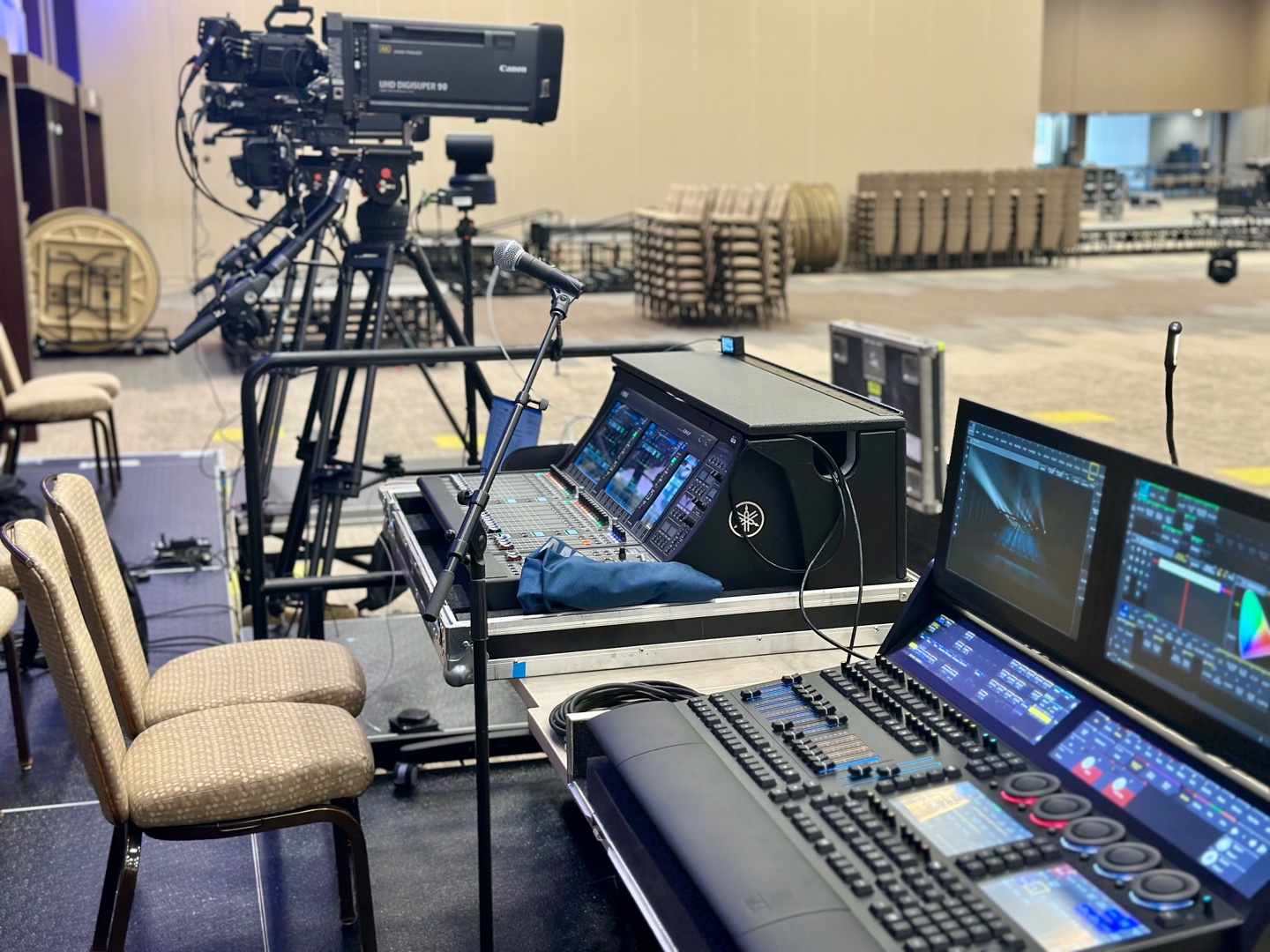
If you have ever run a corporate RFP for audio-visual services, you already know the drill. You send the same scope of work to three or four vendors, wait a week, and watch the numbers come back scattered across a wide range. Inevitably, one quote lands dramatically lower than the rest.
Procurement teams are trained to celebrate this moment. A lower number looks like a win on paper, a line item that makes the budget owner look good in front of leadership. But in the live production industry, an artificially low initial bid is rarely a gift. It is bait.
At SAVI, we have watched this pattern play out from the other side of the table more times than we can count. Here is how the "lowball and pad" strategy works, why it survives in a consolidating industry, and how to protect your budget from it before you ever sign a contract.
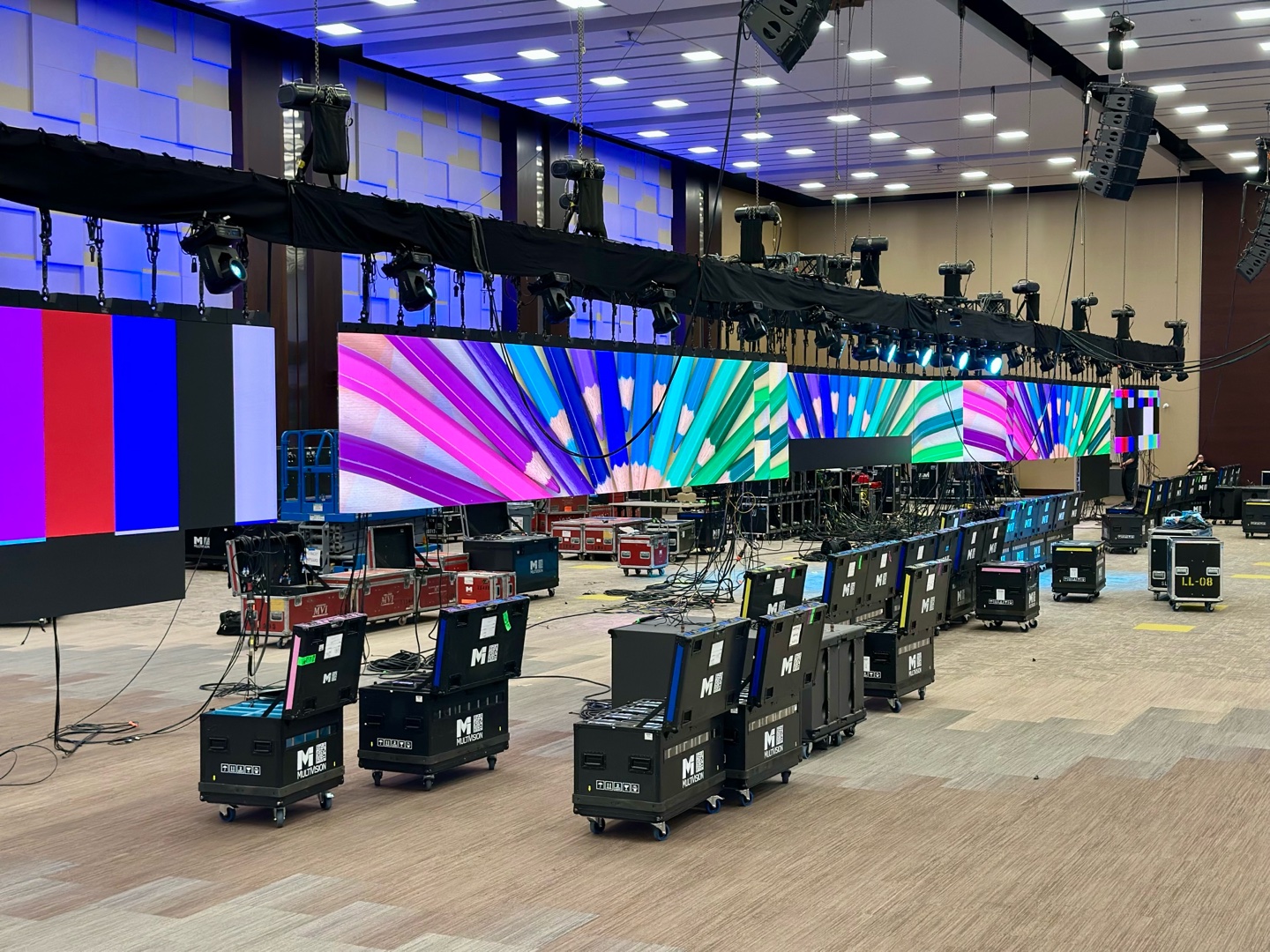
Legacy AV companies, particularly the large, multi-market conglomerates that dominate hotel and convention centre contracts, operate on volume. Their sales teams are frequently measured on how many contracts they close, not on how accurately those contracts reflect the true cost of production.
That incentive structure creates a predictable behaviour: strip the initial line-item quote down to the bare minimum. Underestimate labour hours. Quote the base package instead of the package that will actually be needed once the event's real requirements surface. Win the bid on price, then let the change orders do the real earning.
It is not a mistake. It is a business model.
To the untrained eye, a suspiciously low bid just looks generous. To someone who has produced hundreds of live events, it raises immediate red flags. Here are the three places we see it most often.
A lowball quote will frequently underestimate crew call times. It might account for an eight-hour show day when the realistic load-in, rehearsal, and strike schedule requires twelve. Once the crew is on-site and the extra hours are unavoidable, overtime billing kicks in at a premium rate that was never disclosed upfront.
Some vendors will quote a base-tier microphone package or a lower-resolution LED wall than what the event actually needs, knowing full well that once the client sees the difference in a walkthrough or rehearsal, they will feel pressured to upgrade on-site, at a much higher last-minute rate.
The most dangerous lowball bids are the ones with intentionally vague scope language. Terms like "general session support" or "standard staging package" sound reasonable until show week, when the planner discovers that "standard" did not include confidence monitors, a backup audio path, or enough wireless microphone channels for the actual speaker lineup.
Corporate procurement departments are often optimized to evaluate vendors on price comparison spreadsheets, not on production experience. A quote that is thirty percent lower than its competitors will frequently win the internal approval process, especially in organizations where the person signing off on the AV budget has never actually run a live show.
By the time the change orders start arriving, the contract is already signed, the event date is locked, and the planner has lost nearly all of their negotiating leverage. Asking a vendor to explain a change order two days before an AGM is not a negotiation. It is a hostage situation with a deadline.
Before you sign with the lowest bidder, run their quote through this filter.
What the Legacy Giant Does
What an Honest Partner Does
Quotes a flat "package" with vague inclusions like "standard audio support."
Itemizes every major component so you know exactly what gear, what channel count, and what redundancy you are paying for.
Estimates labour hours conservatively low to win on price, expecting overtime to make up the difference.
Builds realistic load-in, rehearsal, and strike time into the original quote, based on the actual complexity of your run of show.
Stays silent on redundancy and backup systems, hoping you never ask.
Proactively explains what backup audio, power, or signal paths are included, because failure points should never be a surprise.
Waits for you to discover the gaps on-site, then issues a change order under time pressure.
Flags potential scope gaps during the proposal stage, before the contract is signed and your leverage disappears.
If you want to protect your budget before you ever sign a contract, ask every bidder these three questions and pay close attention to how confidently they answer.
"Walk me through your labour hours for load-in, show day, and strike." A vendor who has genuinely scoped your event will answer this instantly and specifically. A vendor who lowballed the bid will hesitate, hedge, or give you a number that sounds suspiciously close to the bare legal minimum.
"What happens if my keynote speaker's technical rider changes two weeks before the event?" This question reveals whether change orders are treated as an emergency partnership problem to solve together, or as a profit opportunity to exploit.
"What specific equipment model are you quoting, and why?" Vague answers here almost always mean a downgraded package is hiding behind generic language.
We are not interested in winning your business with a number designed to fall apart the moment your event gets complicated. Because we are agile and cross-trained rather than bloated by corporate layers of approval, we do not need to pad a lowball bid to protect our margins later.
When we quote your event, we quote the event you are actually running: the real labour hours, the real equipment list, and the real contingencies that live production demands. If something changes on your end, we tell you immediately, in plain language, with a real number attached. No surprise invoices. No hostage negotiations two days before your AGM.
A cheap bid is not a discount. It is a deferred cost with your event date attached as collateral. The vendor who quotes you honestly from the start is not trying to win your business with flattery. They are trying to earn a long-term relationship built on a number you can actually trust.
The next time a bid comes in dramatically lower than the rest, do not celebrate the savings. Ask why. The answer will tell you everything you need to know about who you are about to hire.