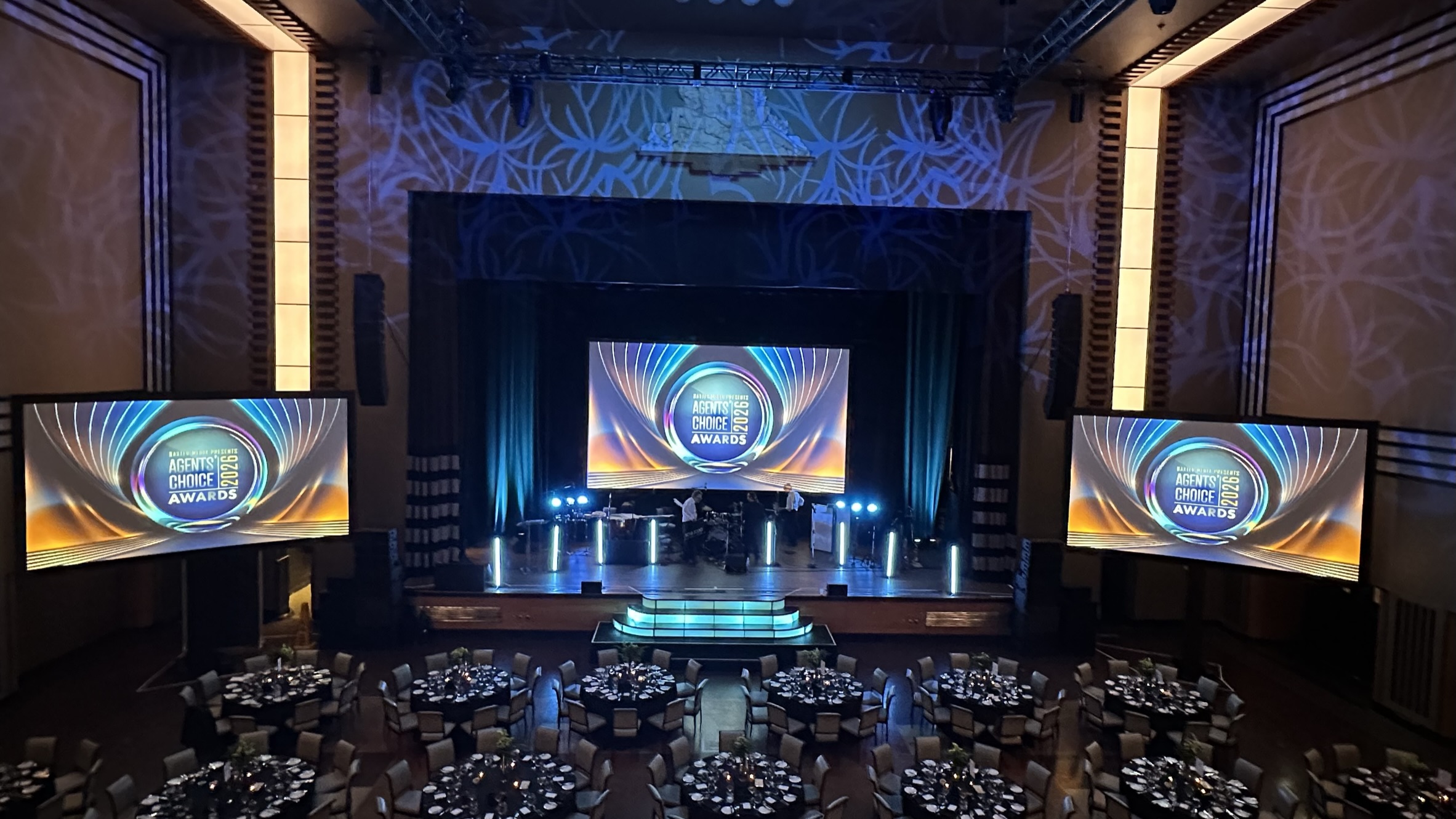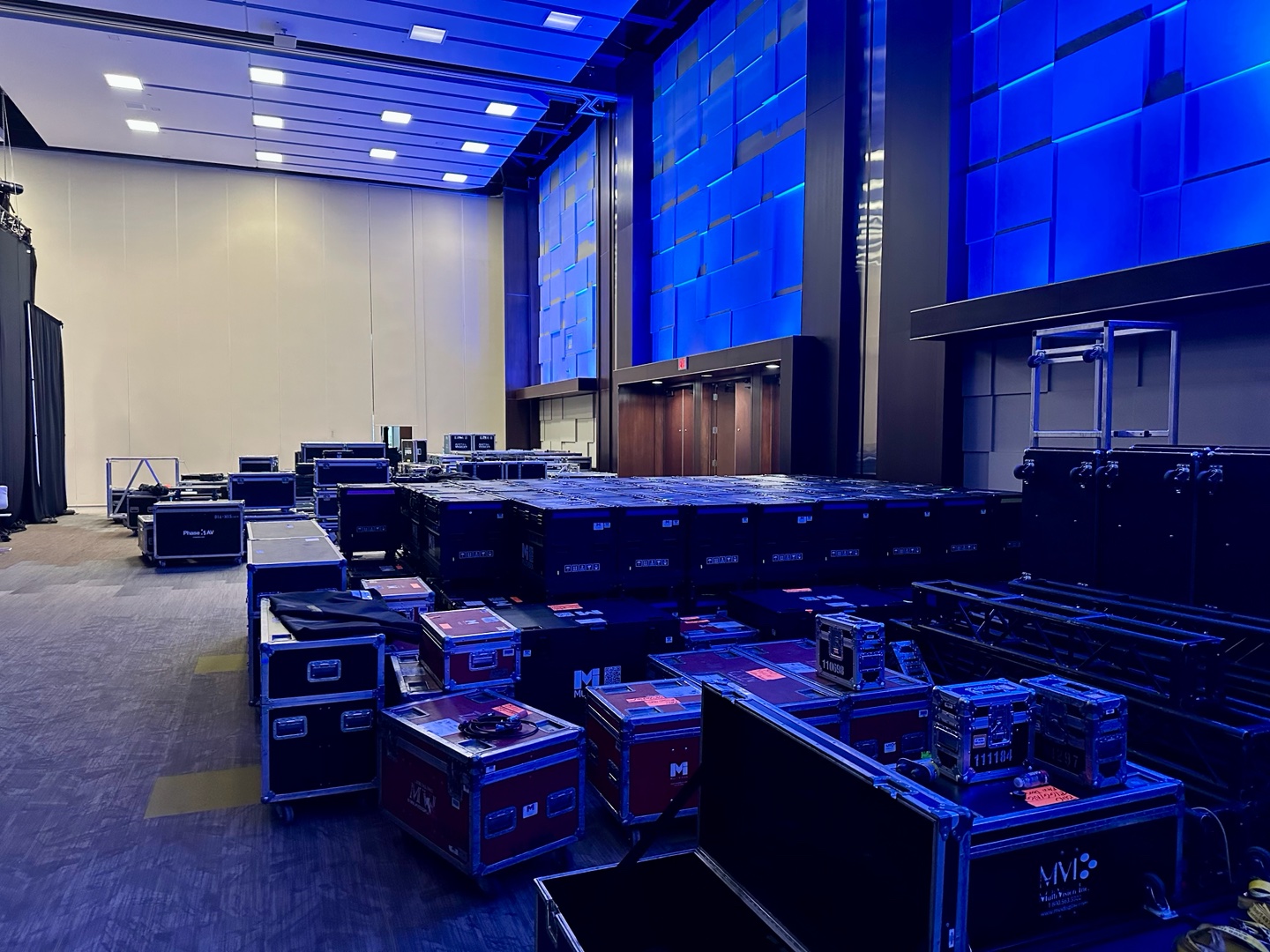
If you look at a live show production blueprint, you’ll see technical specs. You’ll see line-array audio diagrams, lighting plots, video signal routing, and power distribution schedules.
But if you look at what is actually happening in the room during a flawless event, we aren’t routing signals. We are manipulating human physics to create memory.
In an era where almost everything is recorded, streamed, and digitized, the live event remains a sacred anomaly. You cannot download a live event. You cannot pause it, and you cannot recreate it. It is a temporary contract signed between the stage and the room, existing only in the present tense.
At SAVI, alongside the ecosystem of brilliant event professionals, producers, and stage managers who grind in the trenches with us, we have a specific name for what we do. We are the Moment Makers.
Here is a look behind the tech table at why those fleeting seconds matter so much—and the brutal precision required to engineer them.
Why does a live event have the power to make the hairs on your arms stand up? Why does a collective gasp ripple through a room of two thousand strangers at the exact same millisecond?
It isn't magic. It's the precise manipulation of environment.
Human memory is episodic and deeply tied to sensory stimulation. When you are sitting at your desk looking at a laptop, your senses are restricted. But when you walk into a live production environment, we control the physics of the room:
When the audio swells, the lights shift, and the video screen transitions in perfect harmony, the human brain releases dopamine. The audience thinks they are just enjoying a speech or a performance. In reality, they are experiencing a sensory symphony designed to lock that exact second into their long-term memory.
The reason the live production life is so high-stakes—the reason we sacrifice our sleep, our weekends, and our sanity—is because a moment cannot be rescheduled.
If a movie director messes up a shot, they yell "Cut!" and try again. If a software developer launches a buggy app, they push a patch at midnight.
But in our world, when the announcer calls the name, the walk-up music fires, and the executive steps into the spotlight, there is no safety net. You have exactly one shot to get it right.
[ Video Cue Triggers ] ───┐
[ Audio Fader Pushes ] ───┼───► THE PERFECT SECOND (0.00ms)
[ Lighting Scene Changes] ┘
If the video playback is 200 milliseconds late, the magic is broken. If a microphone takes three seconds to un-mute when a presenter starts speaking, the audience’s immersion is shattered, the speaker's confidence drops, and the moment dies. You cannot ask a room of a thousand corporate stakeholders or industry leaders to rewind and recreate their authentic emotional reaction.
That is why the bond between the technical crew and event professionals is so fierce. We are all walking a high-wire together. We carry the quiet, heavy weight of knowing that the entire reputation of an organization rests on our ability to execute flawlessly in real-time.
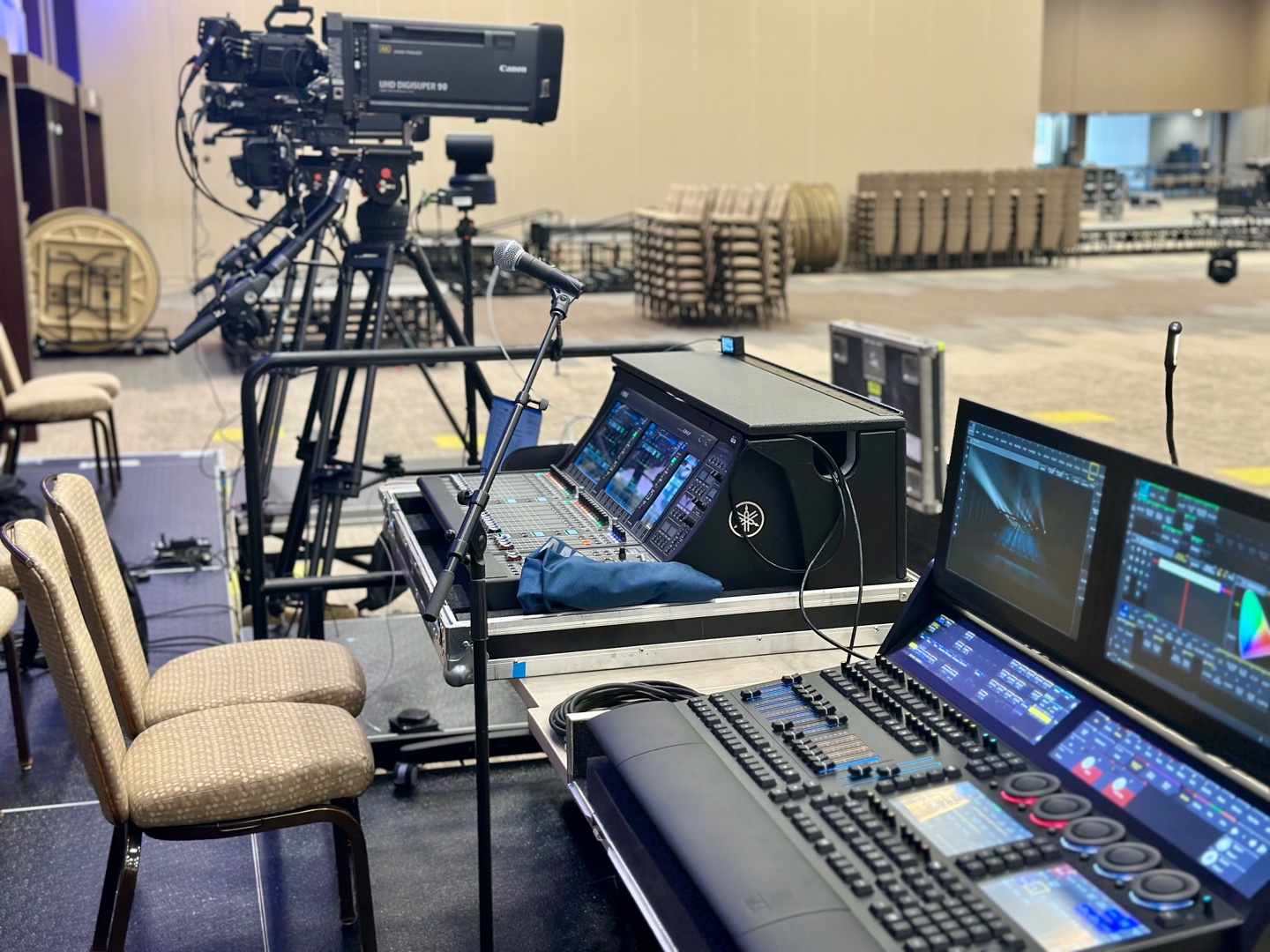
If you look toward the back of the room during the absolute climax of a major show, you will see the tech table. It is shrouded in shadow, lit only by the soft glow of lighting consoles, audio boards, and switcher screens.
You will see a crew of sleep-deprived professionals in black shirts who haven't sat down in fourteen hours.
They aren't looking at the stage. They are watching the audience.
We live for the collective intake of breath. We live for the precise moment when the house lights drop to zero, the bass hits, and the room transforms from a collection of distracted individuals into a single, unified audience.
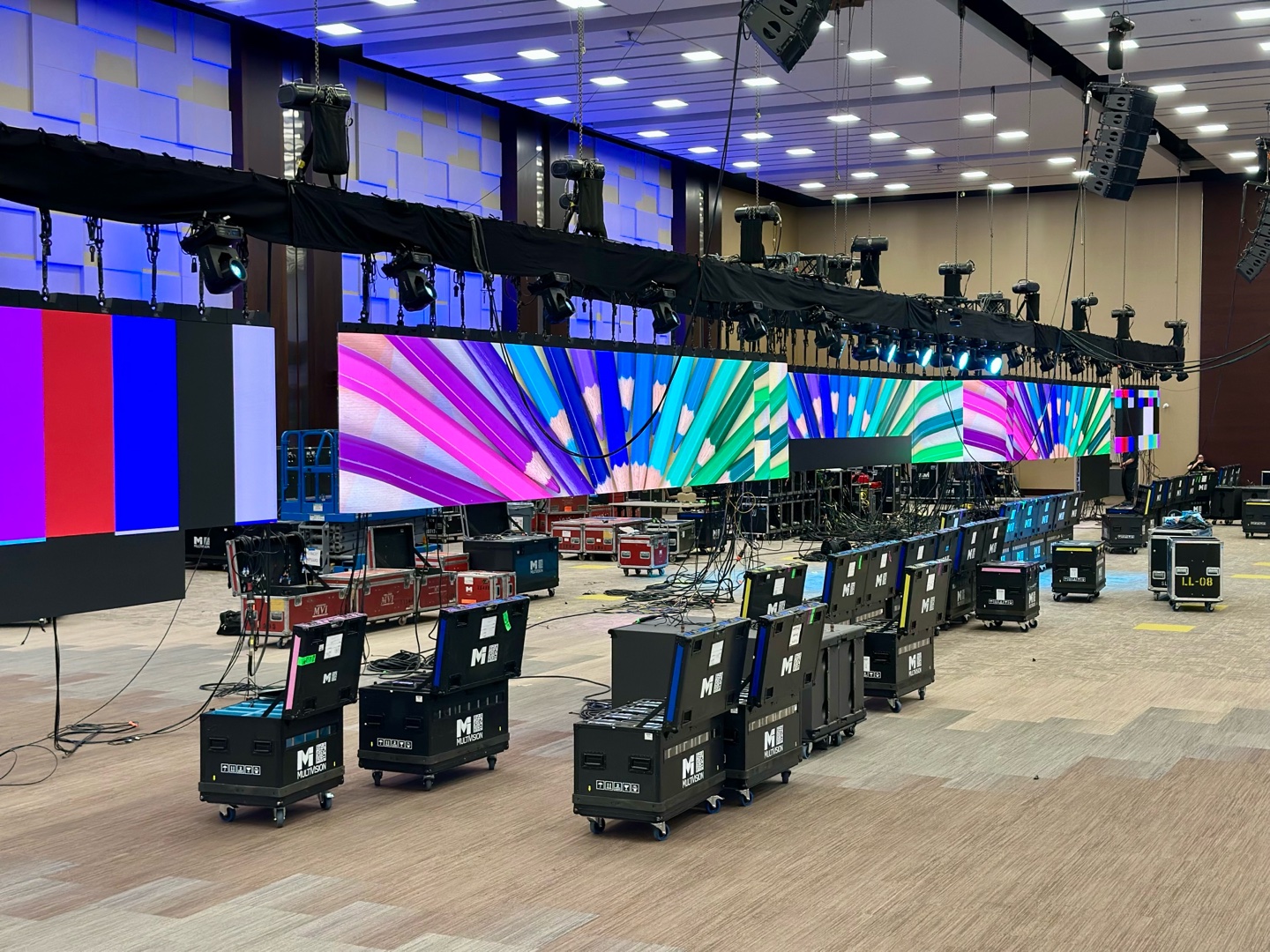
We trade our weekends, our holidays, and our comfort for those fleeting seconds. Because we know that long after the stage is struck, the trucks are loaded, and the ballroom is empty, the moments we built will live on in the minds of the people who were there.
We don’t just run cables. We don’t just rent gear. We build the landmarks of human experience. We are the Moment Makers—and we don't miss our shot.